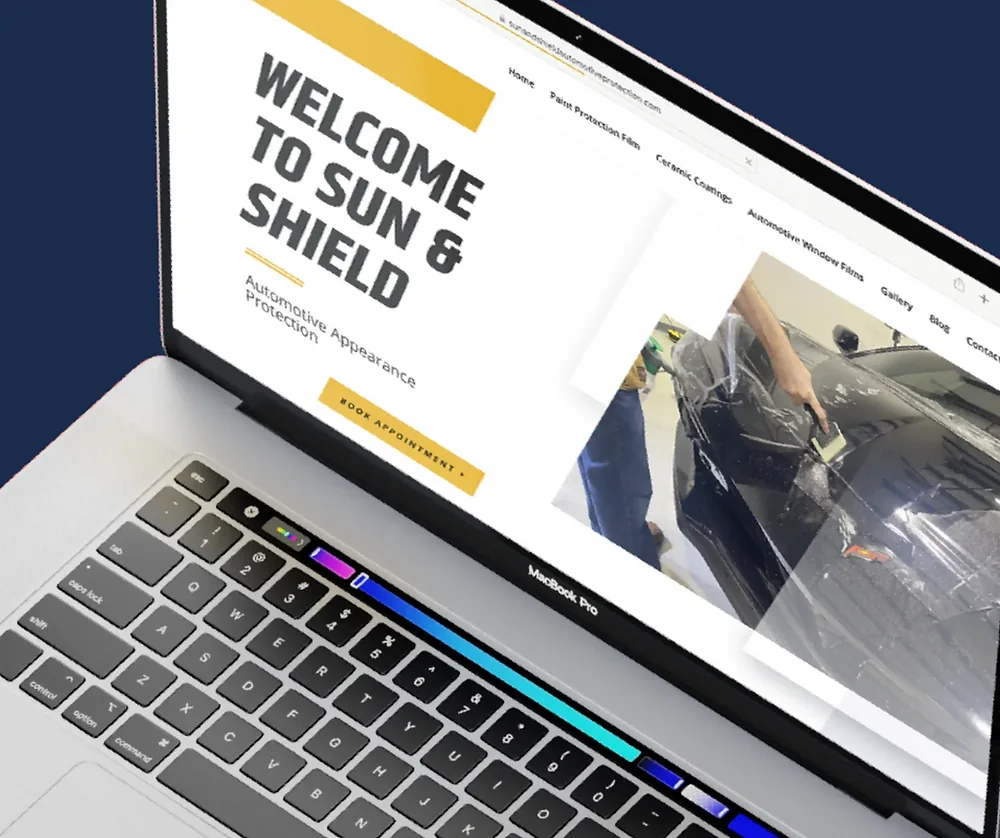
For many businesses, a website is more than an online brochure. It is the first impression, the sales representative, and often the primary source of new leads. Yet many business owners continue to lose customers every day because of outdated, slow, or poorly designed websites without even realizing it.
In 2026, having a website is no longer enough. The quality of your website directly impacts your visibility, credibility, and revenue. If your website isn't performing, it could be costing your business far more than you think.
Your Website Is Often Your First Impression
Before a potential customer calls your office, submits a contact form, or walks through your doors, they usually visit your website.
Studies consistently show that visitors form an opinion about a website within seconds. If your site looks outdated, loads slowly, or is difficult to navigate, many users will leave before learning anything about your business.
A poor first impression can make visitors question:
Your professionalism
The quality of your services
Whether your business is still active
If they can trust you with their money
In many cases, visitors won't tell you why they left. They'll simply visit a competitor's website instead.
Slow Websites Drive Customers Away
Speed matters more than ever.
Today's consumers expect websites to load almost instantly. Even a delay of a few seconds can significantly increase bounce rates and reduce conversions.
A slow website can lead to:
Higher abandonment rates
Lower search engine rankings
Reduced lead generation
Poor user experience on mobile devices
If a potential customer clicks on your website and it takes too long to load, there is a good chance they will leave before seeing what you offer.
Poor Mobile Experiences Mean Lost Revenue
Mobile traffic now accounts for the majority of website visits across many industries. Yet many websites are still designed primarily for desktop users.
Common mobile issues include:
Tiny text that is difficult to read
Buttons that are hard to click
Forms that do not function properly
Images that load incorrectly
Slow performance on mobile networks
If visitors struggle to use your website on their phones, they are unlikely to become customers.
Bad Websites Hurt Your Search Rankings
Search engines want to provide users with the best possible experience. As a result, website quality plays a major role in search engine rankings.
Factors that can negatively impact SEO include:
Slow page speeds
Poor mobile performance
Broken links
Outdated content
Weak site structure
Poor user experience
Even if you've invested in SEO, a poorly built website can limit your ability to rank well in search results.
A modern website creates a strong foundation for all of your marketing efforts.
Low Conversion Rates Cost More Than You Realize
Many businesses focus solely on website traffic when they should be focusing on conversions.
Imagine two businesses each receive 1,000 visitors per month.
Business A converts 1% of visitors into leads.
Business B converts 5% of visitors into leads.
Business A generates 10 leads.
Business B generates 50 leads.
The difference is not traffic. It is website performance.
Small improvements to your website's design, messaging, calls-to-action, and user experience can dramatically increase the number of leads you generate without spending more money on advertising.
Outdated Websites Damage Credibility
Consumer expectations continue to evolve.
When visitors encounter:
Old designs
Outdated branding
Broken pages
Missing information
Stock photos that feel generic
They often assume the business itself may be outdated.
A modern, professional website helps establish trust and confidence before a conversation even begins.
Security Risks Can Become Expensive
Older websites often have outdated software, plugins, and security vulnerabilities.
The consequences can include:
Website downtime
Malware infections
Data breaches
Loss of customer trust
Expensive emergency repairs
Regular website maintenance and updates are no longer optional. They are essential for protecting your business and your customers.
The Hidden Cost: Missed Opportunities
The highest cost of a bad website is often the hardest to measure.
How many potential customers visited your site and left without contacting you?
How many leads chose a competitor because their website was easier to use?
How many sales opportunities were lost because your website failed to build trust?
Most businesses never know the answer.
They simply see slower growth and fewer inquiries than they should be receiving.
What Does a High-Performing Website Look Like in 2026?
A modern website should:
Load quickly on all devices
Look professional and trustworthy
Be easy to navigate
Work seamlessly on mobile phones and tablets
Clearly communicate your value
Include strong calls-to-action
Be optimized for search engines
Track conversions and user behavior
Support your long-term marketing goals
Your website should function as a 24/7 sales and marketing tool, not just an online business card.
Final Thoughts
In 2026, a bad website is not just a design problem. It is a business problem.
Every slow page, confusing layout, broken form, and missed conversion opportunity can impact your bottom line. While many businesses focus on generating more traffic, the real opportunity often lies in improving the website visitors already see.
If your website has not been updated in several years, loads slowly, or is not generating the leads you expect, it may be time for a professional review. The investment in a better website often pays for itself through increased visibility, stronger credibility, and more qualified leads.
At Open Heart Media, we help businesses build websites that do more than look great. They generate results. Contact our team today to learn how your website can become one of your most valuable marketing assets.
